Every time you visit a clinic, the routine is the same: the cuff goes on, it squeezes your arm, and two numbers are read out loud. But how often do you actually stop to think about what those numbers mean?
For a lot of us, blood pressure is just a metric we ignore until a doctor tells us it’s too high. But here is a perspective shift: your blood pressure is the real-time rhythm of your body’s internal engine.
Whether you are looking to optimize your long-term wellness, recover from a cardiovascular setback, or just finally understand what your numbers mean, it’s time to demystify blood pressure. Let’s break down the science, the signals, and the actionable steps you can take to keep your system running smoothly.
📊 Decoding the Digits: Systolic vs. Diastolic
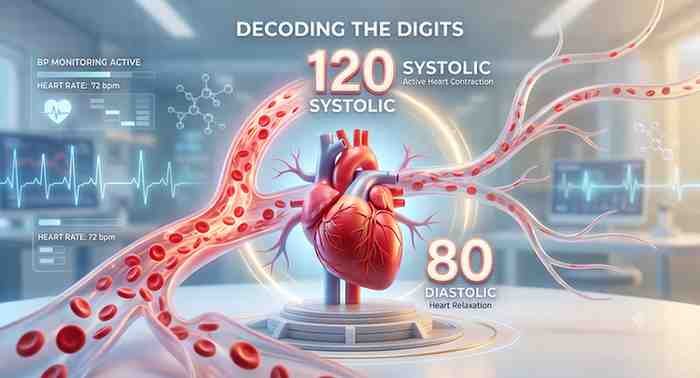
When you get a reading like 120/80, you are looking at two distinct phases of your heart’s continuous hard work.
The Top Number (Systolic): This measures the pressure in your arteries when your heart beats and actively pumps blood out to your body. It is the peak force of your cardiovascular system.
The Bottom Number (Diastolic): This measures the pressure in your arteries when your heart rests between beats. It shows how much resistance your blood vessels have when the system is supposedly relaxed.
Think of it like a hose: the systolic is when you turn the tap on full blast, and the diastolic is the lingering pressure in the hose when the tap is off. If the pressure stays too high for too long (hypertension), it can cause microscopic tears in the arterial walls, forcing the heart to work overtime and setting the stage for bigger cardiovascular issues.
🛑 Why They Call It “The Silent Killer”
The trickiest part about high blood pressure (hypertension) is its stealth. You can have dangerously high blood pressure for years without a single symptom. There are no flashing red lights, no sudden fevers, and rarely any pain.
However, beneath the surface, elevated pressure forces your heart to pump harder. Over time, this constant strain thickens the heart muscle, damages the delicate lining of your blood vessels, and severely impacts the flow of oxygen to your brain, kidneys, and extremities.
The Reality Check: You cannot feel your blood pressure. The only way to know where you stand is to measure it consistently. Knowing your baseline is the most powerful preventative tool in your arsenal.
🛠️ The Blueprint: Actionable Steps to Master Your Numbers
You have more control over your cardiovascular health than you might think. While genetics play a role, your daily habits are the ultimate dials you can turn to optimize your blood pressure.

1. Optimize Your Cardiorespiratory Fitness 🫁
The heart and lungs work as a unified system, and training them is one of the most effective ways to lower blood pressure. Targeted aerobic conditioning and clinical movement don’t just build muscular endurance; they actively train your blood vessels to dilate and relax. Engaging in structured, progressive exercise—whether that is brisk walking, cycling, or targeted cardiovascular rehabilitation—makes your heart a more efficient pump, requiring less force to circulate blood.
2. Harness the Power of Respiratory Mechanics 🌬️
Never underestimate the mechanical power of your breath. Dedicated diaphragmatic breathing and focused respiratory exercises stimulate the vagus nerve, immediately shifting your body out of a stressed “fight or flight” state and into a “rest and digest” mode. Taking just five minutes a day to practice slow, deep breathing can cause a measurable, real-time drop in your blood pressure.
3. Rethink Your Fuel 🥑
Salt isn’t the only villain in the story, but it plays a major role. Excess sodium pulls water into your blood vessels, increasing the volume and, consequently, the pressure. Focus on a vibrant, whole-food diet rich in potassium (found in bananas, sweet potatoes, and spinach), which naturally helps your body flush out excess sodium and eases tension in your blood vessel walls.
4. Protect Your Recovery Window 💤
Sleep is your cardiovascular system’s primary recovery phase. During deep sleep, your blood pressure naturally dips. If you are consistently sleep-deprived, your body misses out on this crucial reset period, keeping your baseline pressure artificially elevated throughout the day. Aim for 7 to 8 hours of quality, uninterrupted rest.
✨ The Bottom Line
Your blood pressure is not just a random medical statistic—it is a dynamic, living reflection of your lifestyle, your movement, and your stress levels. By tuning into your cardiorespiratory health, prioritizing proper breathing mechanics, and staying active, you can take the pressure off your heart and add high-quality years to your life.
Take the cuff, take the reading, and take charge.
Medical Disclaimer: This article is for educational and informational purposes only. If you have concerns about your blood pressure or cardiovascular health, always consult with your physician, clinical guide, or healthcare team to create a specialized management plan.
