Let’s be real—hearing the word “diabetes” from your doctor can feel like a heavy anchor just dropped in your lap.
Suddenly, you’re drowning in medical jargon, Googling symptoms late at night, and wondering if your lifestyle is about to change forever. But here is the truth that often gets lost in the clinical noise: a diabetes diagnosis is not a pause button on your life.
Millions of people navigate this condition every single day, turning a daunting diagnosis into an opportunity to build healthier, more vibrant habits. Whether you’re a newly diagnosed patient, a supportive loved one, or just looking to safeguard your health, let’s break down the facts—minus the medical textbook fluff.
🔑 The Basics: What’s Actually Happening in Your Body?
Think of your body as a high-performance engine, and glucose (sugar) as the fuel.
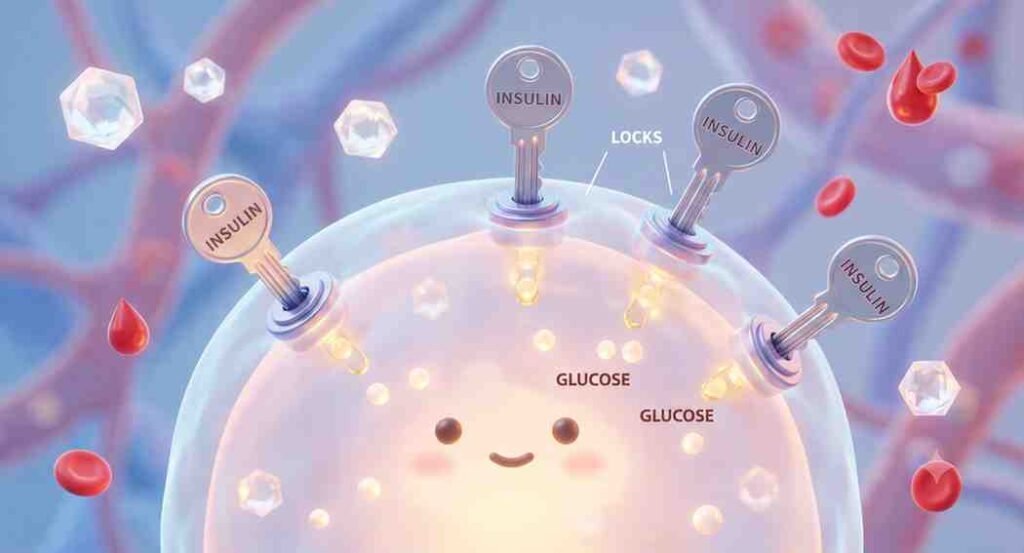
When you eat, your digestive system breaks down food into glucose, sending it straight into your bloodstream. But to get that fuel out of your blood and into your cells where it belongs, you need a key. That key is insulin.
If you have diabetes, your body is experiencing a key shortage or a jammed lock:
Your pancreas isn’t making enough insulin.
Your cells have stopped responding to the insulin you do have.
The result? The fuel gets stuck in the bloodstream, leading to high blood sugar levels that can wear down your body’s systems over time.
🧬 The Big Three: Understanding the Types
Not all diabetes is the same. The root causes dictate the treatment, which is why pinning down the type is crucial.
Type 1 (The Autoimmune Glitch): The body’s immune system mistakenly attacks the insulin-producing cells in the pancreas. It’s usually diagnosed in childhood or young adulthood, and it means insulin therapy is a daily necessity.
Type 2 (The Insulin Resistance): The most common form by far. Your body still makes insulin, but your cells have become resistant to it. It’s highly influenced by lifestyle factors, age, and genetics.
Gestational (The Pregnancy Curveball): Develops during pregnancy in women who didn’t previously have diabetes. While it usually resolves after childbirth, it does act as a warning sign for potential Type 2 risk down the road.
Did You Know? Prediabetes is the silent prequel. It means your blood sugar is running high, but not quite in the diabetes danger zone yet. The good news? It’s often completely reversible with the right lifestyle tweaks.
🚨 The Red Flags: Symptoms You Shouldn’t Ignore
Because Type 2 diabetes can creep up slowly, your body might be waving red flags long before you notice them. Keep an eye out for these classic warning signs:
🚰 Unquenchable Thirst: Feeling like you can never drink enough water.
🚻 Frequent Bathroom Trips: Especially waking up multiple times in the middle of the night.
🥱 Bone-Deep Fatigue: Feeling exhausted even after a full eight hours of sleep.
📉 Unexplained Weight Loss: Dropping pounds without changing your diet or exercise routine (most common in Type 1).
👓 Blurry Vision: Difficulty focusing, as high blood sugar pulls fluid from your eye lenses.
🩹 Slow-Healing Sores: That papercut or bruise just won’t seem to go away.
⚡ Tingling Extremities: A pins-and-needles sensation in your hands or feet


💪 The Action Plan: How to Thrive, Not Just Survive
Here is the best news you’ll read today: Diabetes is highly manageable. With a proactive mindset, you can keep your blood sugar in the sweet spot. Here is your modern blueprint for living wel
1. Fuel Smart, Not Restrictive 🥦
Forget the idea of a punishing “diabetes diet.” It’s about balance. Focus on whole foods—crunchy veggies, lean proteins, and complex carbohydrates. Swap out the highly processed, sugary snacks for foods that provide a slow, steady release of energy.
2. Make Movement Your Medicine 👟
Exercise is basically free insulin. When you move, your muscles become super-sensitized to insulin, effortlessly absorbing glucose from your bloodstream. Whether it’s a brisk morning walk, lifting weights, or a weekend swim, aim for at least 150 minutes of movement a week.
3. Track Your Trends 📈
Knowledge is power. Regularly checking your blood sugar helps you spot patterns. You’ll learn exactly how that bowl of pasta or that stressful meeting impacts your numbers, allowing you to pivot and adjust in real-time.
4. Guard Your Peace 🧘
We don’t talk about this enough, but stress spikes blood sugar. Cortisol (the stress hormone) triggers your body to release stored glucose. Deep breathing, meditation, or just unplugging from your phone for an hour can have a measurable impact on your health.
✨ The Bottom Line
A diabetes diagnosis isn’t an ending—it’s a pivot. It’s a call to start paying closer attention to the incredible machine that is your body. Build a strong relationship with your healthcare team, advocate for yourself, and take it one day at a time. You’ve got this.
Medical Disclaimer: This article is designed to inform and empower, but it doesn’t replace your doctor. Always consult your healthcare provider or a registered dietitian before making major changes to your medical routine, diet, or exercise habits.
